How Window Placement Can Completely Change a Room
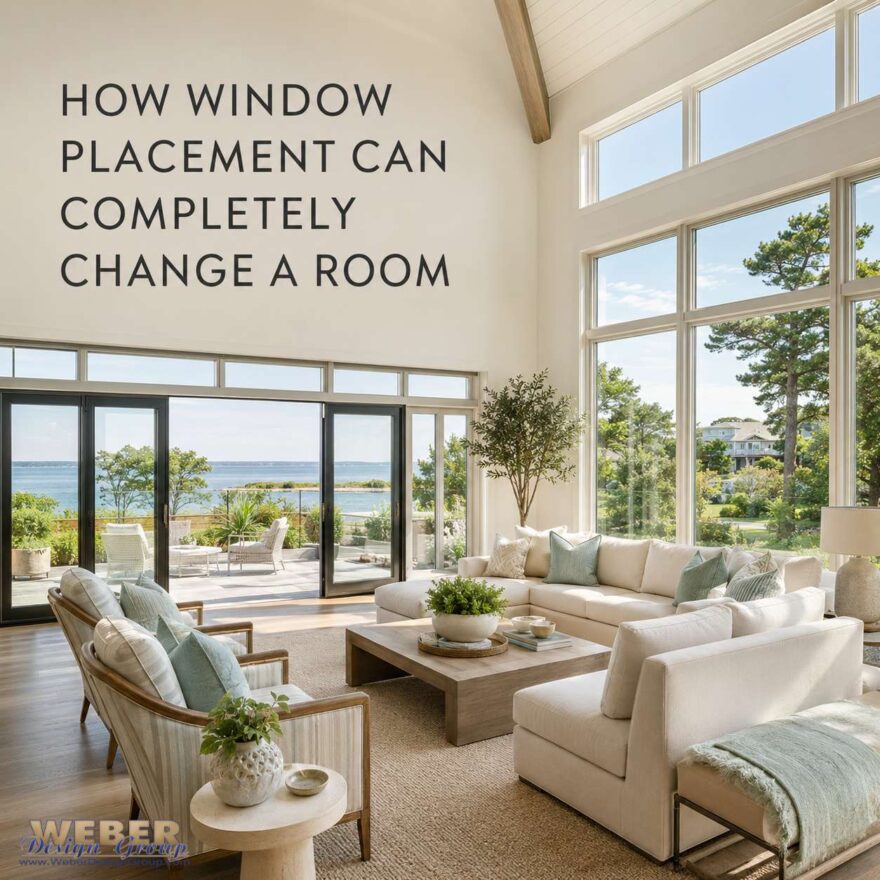
Windows do much more than provide a view. Their size, height, orientation, and location can influence how every room looks and feels. Thoughtful window placement can make a space appear larger, brighter, more private, and better connected to its surroundings.
When evaluating a house plan, it is easy to focus on the number of windows shown. However, where those windows appear can be just as important. The right placement can completely transform the experience of living in a room.
Window Placement Shapes Natural Light
Natural light changes throughout the day. Therefore, the direction a window faces affects when and how sunlight enters a room.
East-facing windows capture the softer light of the morning. This makes them a welcome addition to breakfast areas, kitchens, and bedrooms. West-facing windows receive stronger afternoon light, which can create a warm atmosphere later in the day. Meanwhile, south-facing windows often provide consistent daylight in many regions.
The location of a window within the room also matters. A window placed higher on a wall can carry daylight deeper into the space. In contrast, a lower window may brighten the floor while creating a more intimate feeling.
Rooms with windows on two walls often feel especially inviting. Light enters from multiple directions, reducing dark corners and creating a more balanced appearance.
The Right Windows Can Make a Room Feel Larger
Window placement can visually expand a room without changing its actual dimensions.
A large window that frames an open landscape allows the eye to travel beyond the interior walls. As a result, the room may feel more spacious. Corner windows can create a similar effect by reducing the visual weight of two adjoining walls.
Windows positioned near the ceiling can also make a room appear taller. They draw the eye upward and emphasize ceiling height. This approach can work well in rooms where wall space is needed for furniture or artwork.
In smaller spaces, even a carefully placed single window can make a noticeable difference. A window at the end of a hallway, for example, creates a visual destination. It can make the hallway feel less enclosed and more connected to the rest of the home.
Windows Help Define a Room’s Focal Point
Every room benefits from a clear focal point. Window placement can help establish one naturally.
In a great room, a wide arrangement of windows may highlight a pool, garden, waterfront, or wooded setting. Furniture can then be arranged to take advantage of the view. In other rooms, windows may frame a fireplace, built-in feature, or dining area.
However, windows and focal points must work together. A poorly placed window can compete with a fireplace or make furniture placement difficult. Thoughtful house plan design considers how these elements relate before construction begins.
The goal is not simply to add more glass. Instead, each window should strengthen the room’s layout and visual balance.
Placement Affects Furniture Options
Windows influence where beds, sofas, storage pieces, and other furnishings can be placed. This makes window placement an important part of a functional floor plan.
For example, a bedroom needs enough uninterrupted wall space for a bed and accompanying furniture. Windows placed too close together may limit the available layouts. On the other hand, windows positioned on each side of a bed can create a pleasing sense of symmetry.
In a kitchen, windows must work around upper cabinets, appliances, and work areas. A well-placed window above the sink can bring natural light to a frequently used space. It can also provide an outdoor view while maintaining the kitchen’s storage and workflow.
Living rooms require similar consideration. Large glass doors may create a beautiful connection to the lanai. However, the remaining walls still need to accommodate seating, entertainment features, or artwork.
Windows Create a Stronger Indoor-Outdoor Connection
Strategically placed windows can make outdoor spaces feel like an extension of the interior.
Large windows and glass doors allow homeowners to enjoy the scenery from multiple areas of the home. When aligned with a covered lanai, pool, courtyard, or garden, they create a seamless visual transition.
This connection is especially effective in open-concept house plans. A view that begins in the kitchen and continues through the great room can make the entire living area feel more expansive.
Zero-corner glass doors and pocketing sliders can strengthen that effect even further. When opened, they reduce the separation between indoor and outdoor gathering spaces. Even when closed, the generous glass maintains light and views.
Window Height Can Balance Views and Privacy
Not every window needs to provide a full-height view. In certain rooms, privacy is more important.
Higher windows can bring natural light into bathrooms while limiting visibility from outside. Clerestory windows may offer a similar solution in bedrooms, hallways, and rooms located close to neighboring properties.
Window height can also determine what someone sees while sitting or standing. A dining room window may be positioned to frame a garden from the table. Meanwhile, a great room window may be designed around both seated and standing sightlines.
These details help windows feel connected to the way each space will actually be used.
Exterior Appearance Matters Too
Window placement affects more than the interior. It also plays an important role in the exterior character of a house plan.
The shape, proportion, spacing, and alignment of windows contribute to curb appeal. Symmetrical window arrangements can create a more formal appearance. In contrast, varied window sizes may complement a relaxed coastal or contemporary design.
Exterior materials and architectural details can further emphasize the windows. Shutters, trim, arches, and decorative accents help connect them to the overall style.
The best house plans balance interior needs with exterior appearance. A window should feel appropriately placed from both sides of the wall.
Consider the Lot Before Building
A house plan may feature beautiful window placement, but the building site determines what those windows will overlook.
Before finalizing a plan, consider neighboring homes, street exposure, landscaping, water views, and the path of the sun. A window facing an open view may deserve special emphasis. Meanwhile, a window directed toward a nearby property may require landscaping or an adjustment for privacy.
Lot orientation may also affect heat and glare. Depending on the climate, covered outdoor areas, roof overhangs, window treatments, or landscaping can help manage direct sunlight.
Small Decisions Can Create a Major Impact
Window placement is one of the details that can quietly shape everyday life at home. It affects the first light of the morning, the view from the kitchen, the brightness of a hallway, and the comfort of a private retreat.
When reviewing a house plan, look beyond the number of windows. Consider their direction, height, size, and relationship to furniture and outdoor spaces. Thoughtful placement can turn an ordinary room into one that feels brighter, larger, and more connected.
Ultimately, the most successful windows are not simply added to fill a wall. They are carefully positioned to improve the way a room looks, functions, and feels.