How to Keep Your Outdoor Living Space Comfortable During the Hottest Months
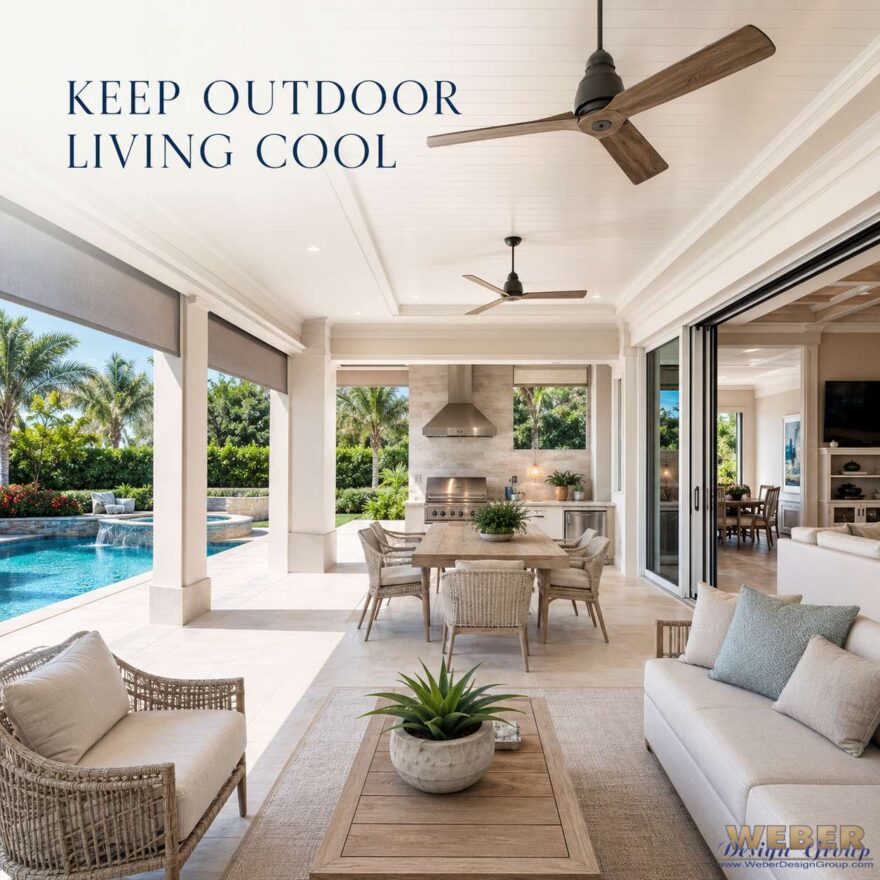
Outdoor living spaces can add valuable room for relaxing, dining, and entertaining. However, intense sunlight and high temperatures can make these areas uncomfortable during the hottest months.
The right house plan design can help create a cooler and more enjoyable outdoor environment. Thoughtful placement, generous shade, steady airflow, and convenient indoor connections all make a difference.
If outdoor living matters to your family, consider these features when choosing a house plan.
Begin With a Generously Covered Outdoor Area
A covered lanai, porch, or patio provides dependable protection from direct sunlight. Unlike a temporary umbrella, a roofed outdoor space creates shade throughout the day.
Roof depth is especially important. A shallow overhang may offer limited protection when the sun changes position. In contrast, a deeper covered area can shade seating, dining, and cooking spaces more effectively.
Some house plans also include several outdoor zones beneath one roof. For example, the layout may provide separate places for dining and conversation. This arrangement allows everyone to enjoy the outdoors without crowding one area.
Consider the Direction of the Sun
The placement of an outdoor living area can affect its comfort throughout the day. Afternoon sun is often stronger and hotter than morning sunlight. Therefore, the home’s orientation should be considered when positioning a lanai or patio.
The direction of the property will influence how the outdoor area receives sunlight. Nearby trees, surrounding homes, and rear-facing views may also affect the final placement.
When reviewing a house plan, discuss the lot orientation with your builder or other qualified professional. Small adjustments may help reduce direct sunlight during the hours you expect to use the space most.
Encourage Natural Airflow
Moving air can make a shaded outdoor living space feel considerably more comfortable. Open sides allow breezes to travel through the area instead of becoming trapped.
Ceiling height can also influence comfort. Tall or vaulted outdoor ceilings give warm air more room to rise. Meanwhile, ceiling fans can help circulate air above seating and dining areas.
Fan locations should relate to the outdoor furniture arrangement. A fan centered above an unused walkway will offer less benefit than one placed over a gathering space.
Create a Strong Indoor-Outdoor Connection
Convenient access can make outdoor living easier during hot weather. Pocketing glass doors, sliding doors, and French doors can connect the lanai to the main living areas.
A direct connection to the great room, kitchen, or dining area also reduces unnecessary trips through the house. Food, drinks, and supplies remain close at hand.
Large glass doors can create a visual connection even when they remain closed. As a result, homeowners can enjoy outdoor views while staying inside during the hottest part of the day.
Include an Outdoor Kitchen or Serving Area
An outdoor kitchen can keep some cooking heat outside the main home. It also allows the person preparing food to remain connected to family and guests.
A useful outdoor kitchen may include counter space, a grill, storage, or a sink. However, the ideal arrangement will depend on how the household plans to use the area.
Placement matters as well. The outdoor kitchen should be protected from direct sun whenever possible. It should also allow smoke and heat to move away from seating areas and doors.
Plan for Flexible Shade
A covered lanai provides the main layer of protection. Still, sunlight can enter from the sides during the morning or late afternoon.
Retractable screens, outdoor shades, or curtains can provide additional relief when needed. These features can also reduce glare without permanently closing the space.
Landscaping may offer another layer of shade. Trees and tall plantings can help soften sunlight around the outdoor living area. However, plant selection should suit the climate, property, and maintenance preferences.
Choose Materials With Heat in Mind
Some surfaces absorb and retain more heat than others. Dark flooring, countertops, and furniture may become especially warm in direct sunlight.
Lighter colors can help outdoor spaces feel brighter and cooler. In addition, outdoor-rated fabrics can make seating more comfortable and easier to maintain.
Flooring should also suit the area’s exposure to sun, rain, and pool water. Because materials perform differently by region, homeowners should review their options with local professionals.
Add Convenient Access to the Pool and Interior
In house plans with a pool, the relationship between the pool and covered lanai is important. A nearby bathroom can reduce wet traffic through the main living spaces. An outdoor shower may also provide added convenience.
Direct access from a bedroom or main living area can improve the overall flow. However, doors and walkways should not interfere with outdoor furniture or cooking areas.
Thoughtful circulation helps the lanai, pool, and interior function as one connected living environment.
Divide the Space Into Comfortable Zones
One large patio may seem flexible, but defined activity zones often work better. A house plan might include space for outdoor dining, casual seating, and poolside lounging.
Each zone can then receive the appropriate amount of shade and airflow. Dining areas may benefit from a ceiling fan, while lounge seating may need protection from low afternoon sun.
Defined spaces also make it easier to choose furniture that fits the available area. This prevents oversized pieces from blocking doors, walkways, or views.
Choose a House Plan That Supports Outdoor Living
A comfortable outdoor area starts long before furniture and accessories are selected. It begins with a house plan that responds to sunlight, airflow, daily routines, and the property itself.
Look for features such as a deep covered lanai, convenient indoor access, flexible gathering zones, and room for air circulation. Outdoor kitchens, pool bathrooms, and ceiling fans can add even more functionality.
With thoughtful house plan design, outdoor living can remain inviting throughout more of the year—even during the hottest months.