What Energy-Efficient Upgrades Actually Pay Off? (And Which Don’t)
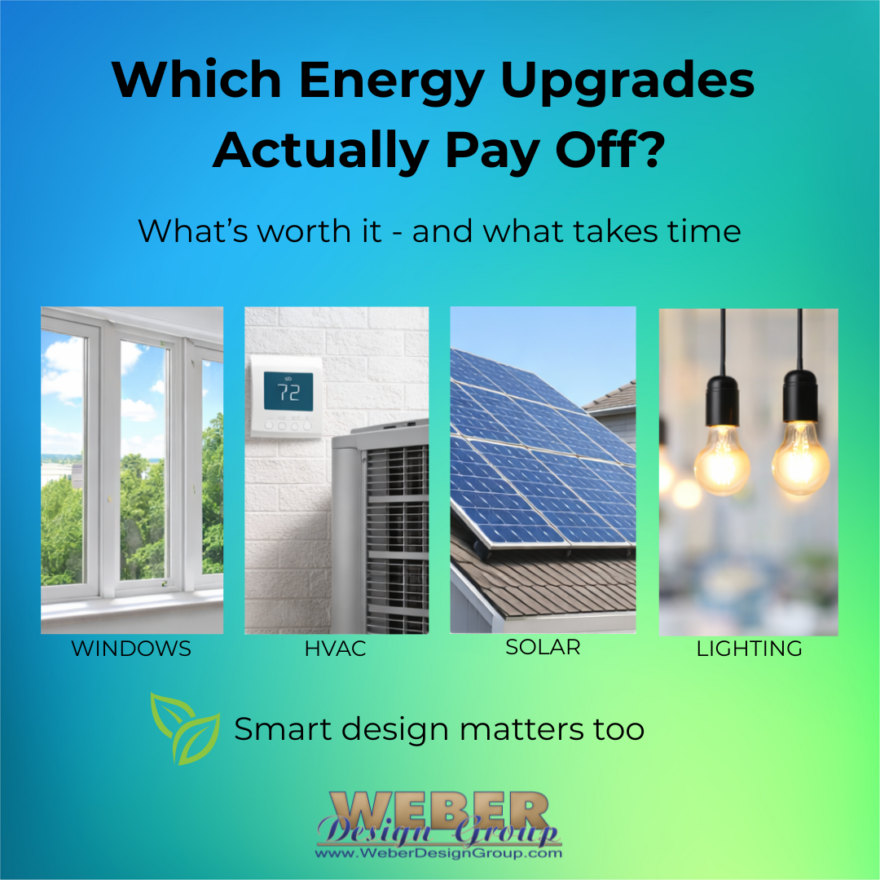
Not all energy-efficient upgrades deliver the same return.
With Earth Day here, many homeowners start thinking about ways to reduce energy use and lower costs. However, it’s important to understand which upgrades truly make a difference—and which ones take years to pay off.
According to the U.S. Department of Energy, improving insulation and windows can significantly reduce energy use, so start there. These upgrades often provide one of the fastest returns. Proper insulation reduces heat gain and loss. As a result, your home stays more comfortable year-round. High-quality windows also help control temperature and reduce strain on your HVAC system.
Next, consider lighting and appliances. These are low-cost upgrades that can add up quickly. LED lighting uses less energy and lasts longer. Energy-efficient appliances also reduce daily consumption without changing how you live. Because of the lower upfront cost, these upgrades often pay off sooner.
Your HVAC system is another important factor. A high-efficiency system can reduce monthly energy costs, especially in warmer climates. In addition, newer systems often improve airflow and humidity control. However, the return depends on how often the system runs and the condition of your current unit.
Solar panels are a popular option, but they require careful consideration. While they can reduce long-term energy costs, the upfront investment is significant. Therefore, the payoff depends on your location, energy usage, and available incentives. In some cases, the return takes many years.
Quick Comparison: What Pays Off Faster?
Some upgrades deliver faster results than others:
✦ Faster return: insulation, windows, LED lighting
✦ Moderate return: HVAC systems and appliances
✦ Long-term return: solar panels
This simple breakdown can help guide your decisions.
However, products alone do not determine efficiency.
A well-designed house plan sets the foundation from the start. Orientation, airflow, and roof overhangs all affect how your home handles heat and light. Because of this, a smart layout can reduce the need for additional upgrades.
In the end, the best approach combines thoughtful design with the right products. When both work together, your home becomes more comfortable, more efficient, and more cost-effective over time.