5 Costly Mistakes to Avoid When Buying a House Plan
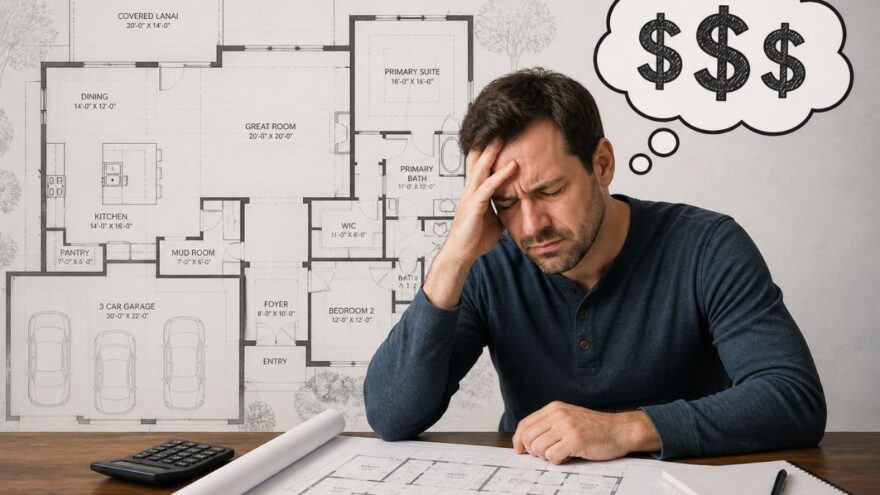
Buying a house plan is an exciting step. However, it is also where many costly mistakes begin.
At first, most buyers focus on square footage, style, and price. While those matter, they are not what typically cause regret later.
Instead, small oversights in layout and functionality often create long-term frustration.
Understanding these common mistakes—and how to avoid them—can help you choose a house plan with confidence.
1. Focusing Too Much on Square Footage
Bigger is not always better.
A larger home can still feel inefficient if the layout does not flow well. On the other hand, a smaller plan with a smart design can feel more functional and comfortable.
How to avoid this mistake:
Start by reviewing how the main living spaces connect. Look for a natural flow between the kitchen, dining, and great room.
Next, compare usable space instead of total square footage. Long hallways, oversized foyers, or unused rooms can add square footage without adding value.
Finally, ask yourself a simple question: Will I actually use this space daily? If the answer is no, it may not be worth prioritizing.
2. Ignoring How You Move Through the Home
Daily routines matter more than most buyers expect.
Think about how you enter the home, carry groceries, or move between key spaces. If the flow feels awkward, it will become noticeable very quickly.
How to avoid this mistake:
Walk through the floor plan step by step. Start at the garage or front entry and trace your daily paths.
Pay close attention to the route from the garage to the kitchen. This is one of the most used paths in the home.
Also, check how easily you can move from indoor living areas to outdoor spaces. Smooth transitions make a big difference in daily comfort.
If you find yourself doubling back or crossing through multiple rooms, the layout may need reconsideration.
3. Overlooking Outdoor Living
Many buyers treat outdoor space as optional. However, it often becomes one of the most used areas of the home.
A well-designed outdoor space can extend your living area and improve how the home functions.
How to avoid this mistake:
Look for direct access from the main living areas to the outdoor space. The connection should feel natural, not forced.
Consider how you plan to use the space. If you enjoy entertaining, make sure there is enough room for seating and circulation.
Also, think about coverage and shade. A covered lanai or patio will be far more usable throughout the year.
The goal is to make the outdoor area feel like a true extension of the home.
4. Not Planning for Privacy
Privacy is easy to overlook when reviewing a floor plan. However, poor bedroom placement or lack of separation can quickly become frustrating.
How to avoid this mistake:
Look at where the primary suite is located in relation to other bedrooms and main living areas.
Ideally, it should feel like a retreat, not a pass-through space.
For families or frequent guests, consider plans with split-bedroom layouts. This creates separation and reduces noise.
Also, evaluate how guest spaces function. A well-placed guest room can offer comfort without disrupting daily life.
5. Choosing Features Over Function
It is easy to get distracted by standout features.
Large islands, dramatic ceilings, and statement elements can look impressive. However, they should not come at the expense of usability.
How to avoid this mistake:
When reviewing a plan, focus on how each feature supports daily living. For example, a large kitchen island should allow for seating and movement, not just visual impact. Check for practical elements like storage, counter space, and clear walkways.
A good rule to follow: if a feature looks great but makes the space harder to use, it may not be the right choice.
The Bottom Line
A great house plan is not just about what looks good today. It is about how the home will feel and function every day after you move in.
By avoiding these common mistakes—and knowing what to look for instead—you can choose a plan that works not only on paper, but in real life.
Explore house plans designed with these principles in mind.