What Makes a House Plan Feel Bigger (Without Adding Square Footage)
Bigger isn’t always better. Smarter is.
In fact, the best-designed homes don’t rely on extra square footage. Instead, they use thoughtful design to feel larger, brighter, and more functional.
If you’re choosing a house plan, this is where real value lives.
Here’s what actually makes a house plan feel bigger—without increasing the footprint.
1. Open Sight Lines Create Instant Space
Walls break up space. Sight lines expand it.
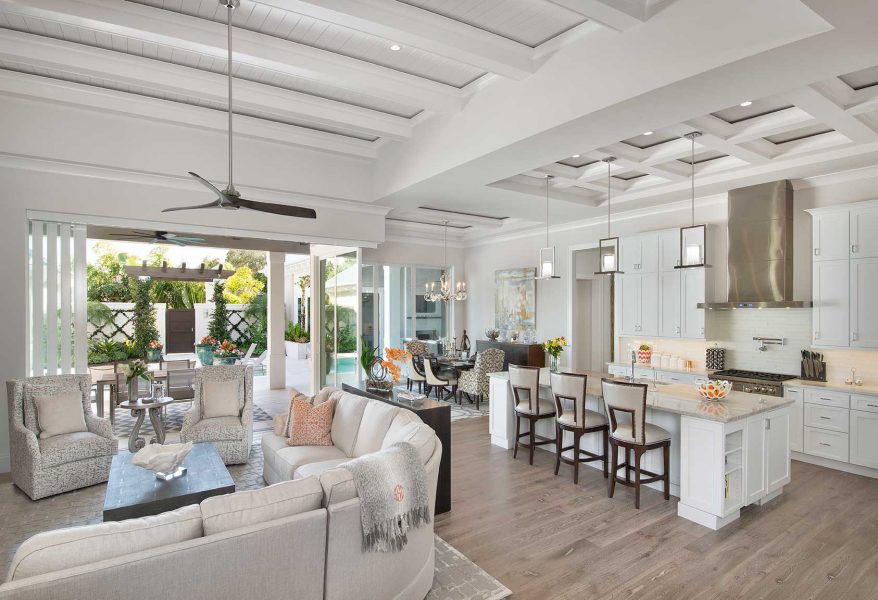
When you can see from the front of the home to the back, everything feels larger. That’s why open layouts between the kitchen, dining, and great room work so well.
Even partial openings—like wide cased openings or glass doors—can make a dramatic difference.
What to look for in a house plan:
• Direct views to the outdoors
• Minimal visual barriers between main living areas
• Aligned windows and doors
2. Higher Ceilings Change Everything
Ceiling height is one of the most powerful design tools.
A room with a 12-foot ceiling feels significantly larger than one with an 8-foot ceiling—even if the square footage is identical.
Vaulted and tray ceilings add even more dimension.
Why it works:
• Adds vertical volume
• Brings in more natural light
• Creates a sense of openness
3. Natural Light Expands Every Room
Dark spaces feel smaller. Bright spaces feel open.
Large windows, sliding glass doors, and transoms pull light deep into the home. This softens edges and visually enlarges the space.
Better yet, when natural light connects indoor and outdoor areas, the home feels like it extends beyond its walls.
Design features to prioritize:
• Floor-to-ceiling glass
• Corner windows or mitered glass
• Zero-pocket sliding doors
4. Indoor-Outdoor Living Blurs the Boundaries
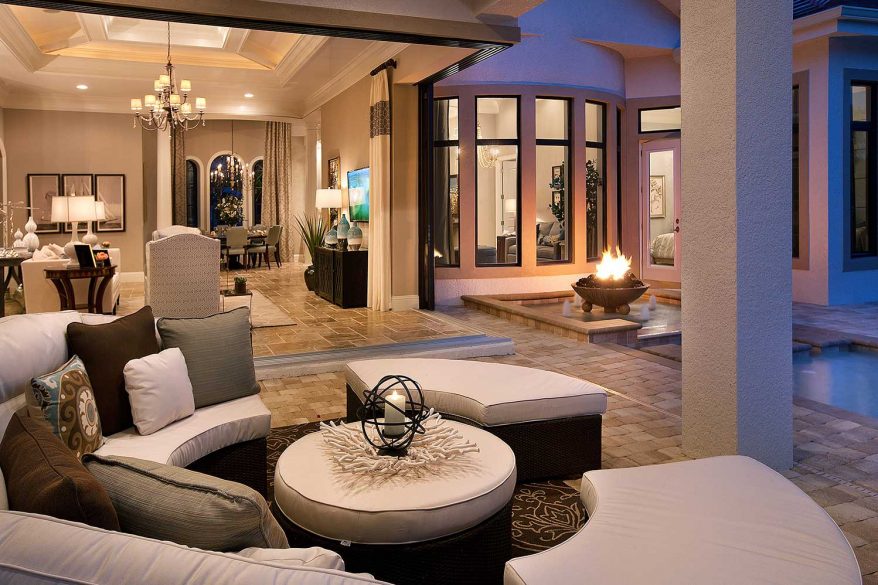
One of the most effective ways to “add space” is to borrow it from the outdoors.
Covered lanais, outdoor kitchens, and patios extend your living area without increasing square footage.
When these spaces connect seamlessly, they feel like part of the home.
Look for:
• Large openings to a lanai or patio
• Outdoor kitchens or seating areas
• Continuous flooring or ceiling treatments
5. Fewer Hallways = More Usable Space
Hallways don’t add function. They just connect it.
A smart house plan minimizes unnecessary circulation space and puts square footage where it matters—living areas, bedrooms, and storage.
Efficient layouts often include:
• Centralized living spaces
• Direct access between rooms
• Minimal wasted square footage
6. Built-In Storage Reduces Clutter
Clutter shrinks a space fast.
Built-ins, large pantries, and well-designed closets keep everything organized and out of sight. That alone can make a home feel significantly larger.
Key features:
• Walk-in pantry
• Built-in cabinetry
• Smart closet design
7. Consistent Flooring Creates Flow
Too many flooring changes break up a home visually.
Using the same flooring across main living areas creates a seamless flow. That continuity tricks the eye into seeing a larger space.
Best approach:
• One flooring material across main areas
• Minimal transitions between rooms
• Clean, uninterrupted lines
8. Multi-Functional Spaces Work Harder
Rooms that serve more than one purpose make a home feel bigger.
A flex room, loft, or study can adapt over time. This reduces the need for extra square footage while still meeting changing needs.
Examples:
• Home office + guest room
• Loft + media space
• Dining room + workspace
9. Strategic Furniture Layout Matters
Even the best house plan can feel small with poor furniture placement.
Well-proportioned spaces that allow for proper furniture flow will always feel larger and more comfortable.
Watch for:
• Defined furniture zones
• Adequate wall space
• Clear walking paths
10. Clean, Cohesive Design Keeps It Open
Too many competing design elements can overwhelm a space.
Simple, cohesive design allows the architecture to shine and keeps the home feeling open.
Keep it simple:
• Limit excessive trim changes
• Use consistent finishes
• Maintain visual balance
The Bottom Line
A well-designed house plan doesn’t need more square footage—it needs better design.
When you combine open sight lines, natural light, higher ceilings, and smart layout decisions, even a modest home can feel expansive.
That’s where thoughtful planning beats sheer size every time.
Ready to Find a House Plan That Lives Bigger?
The right design makes all the difference.
Explore house plans that maximize space, function, and livability—without wasting a single square foot.
👉 Browse our collection of thoughtfully designed house plans today.