How to Read a Floor Plan Like a Pro: A Step-by-Step Guide
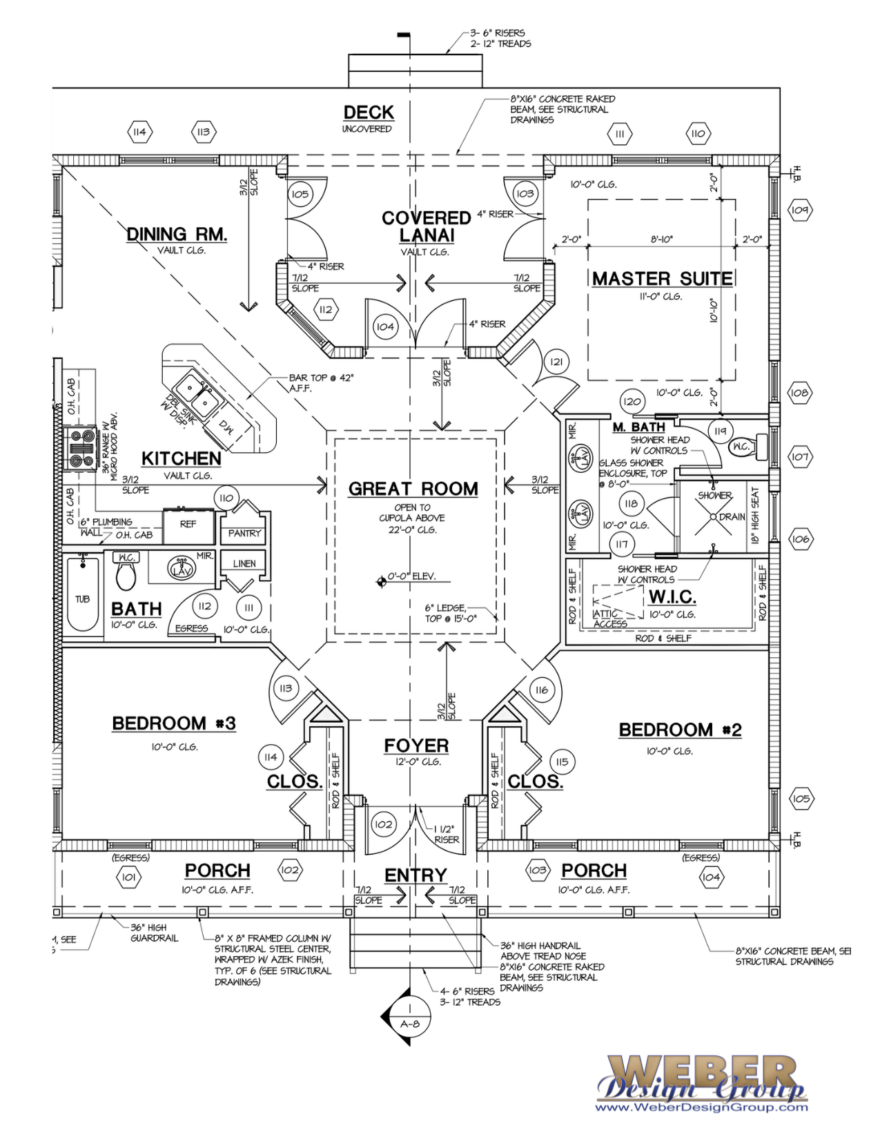
First and foremost, understanding how to read a floor plan is one of the most important skills when choosing a house plan. Whether you are building a custom home or buying stock house plans, knowing how to read floor plans correctly helps you evaluate layout, circulation, and space with confidence. In this guide, you’ll learn how to read a house floor plan like a professional.
1. Start With the Overall House Floor Plan Layout
Before reviewing details, study the entire house floor plan. Ask yourself:
🏡 How many stories does the home have?
🏡 Where is the main entry located?
🏡 Where are the stairs?
🏡 Is the layout open concept or more traditional?
Most well-designed house plans separate public living spaces from private bedroom areas. The great room, kitchen, and dining typically connect. Bedrooms remain positioned for privacy. Understanding zoning is the first step in learning how to read a floor plan correctly.
2. Learn Common Floor Plan Symbols
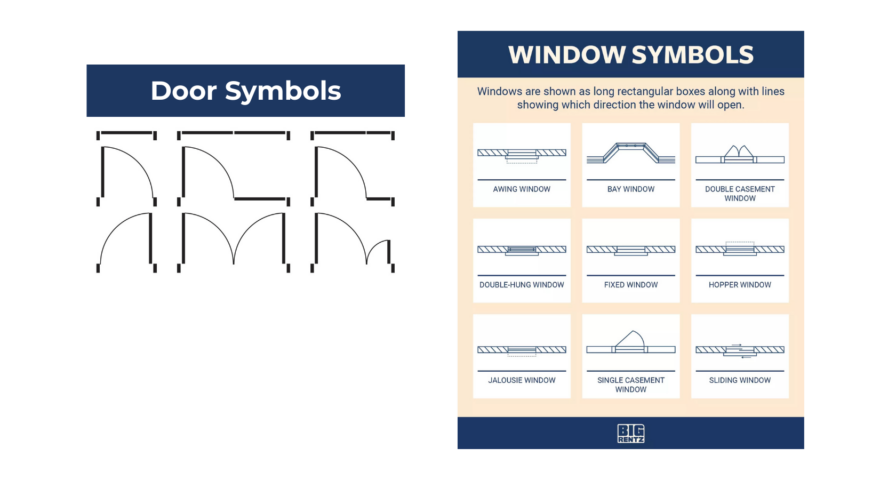
If you want to read a floor plan like a pro, you must understand the symbols.
Walls
📐 Thick lines represent exterior walls.
📐 Thin lines represent interior walls.
Doors
Doors appear with a curved arc. The arc shows the swing direction.
Always check clearance for furniture placement.
Windows
Windows appear as openings in exterior walls. Study placement for natural light and ventilation. Knowing these symbols makes reading house plans much easier.
3. Understand Room Dimensions and Square Footage
As you review a house floor plan, look closely at room dimensions such as: 12′ x 14′
This means the room measures 12 feet by 14 feet. Professionals also evaluate:
▪️ Ceiling heights
▪️ Closet placement
▪️ Total living square footage
▪️ Garage and porch square footage
Not all square footage counts as air-conditioned living space. Always verify heated living area separately.
4. Study Circulation and Flow
One of the biggest differences between casual buyers and professionals is how they evaluate movement through the home. Ask:
▪️ Is the primary suite private?
▪️ Are guest bedrooms separated?
▪️ Does the kitchen connect to outdoor living?
▪️ Is there a clear sightline from the entry to the main living area?
A well-designed house floor plan creates natural circulation. Poor flow can make even large homes feel awkward.

5. Identify Special Features and Callouts
When you read a floor plan, look for labeled features such as:
▪️ Vaulted ceilings
▪️ Open to below
▪️ Bonus room
▪️ Flex room
▪️ Covered lanai
▪️ Outdoor kitchen
These architectural callouts affect lifestyle, volume, and design impact. For example, vaulted ceilings increase vertical space and natural light. Outdoor living areas expand usable square footage and improve entertaining potential.
6. Review Stairs and Vertical Relationships
If the house plan includes two stories, evaluate both levels together. Professionals specifically look for:
▪️Headroom clearance at stairs
▪️Plumbing stack alignment between floors
Headroom clearance ensures code compliance and comfort. Plumbing stack alignment reduces construction cost and improves efficiency. Additionally, it is important to review landing space and stair orientation. These details directly impact functionality.
7. Use the Floor Plan Scale to Understand True Dimensions
Professional builders and designers often use the printed scale to better understand room size. In fact, most house floor plans include a scale such as:
1/4″ = 1′-0″
In other words, one-quarter inch on paper equals one foot in real life. As a result, using a scale ruler allows you to:
📏 Measure wall lengths accurately
📏 Confirm room proportions
📏 Visualize furniture fit
📏 Evaluate hallway width
Additionally, even when reviewing digital plans, understanding scale helps you interpret dimensions more realistically. Ultimately, this prevents costly misjudgments about space.
8. Look for Clues About Furniture, Clearances, and Function
Instead of focusing only on room size, look for layout indicators such as:
▪️ Bed placement in bedrooms
▪️ Kitchen island spacing
▪️ Dining table positioning
▪️ Sofa orientation in the great room
▪️ Door swing clearance
These elements ultimately help you evaluate scale, usability, and traffic flow.
To mentally evaluate the layout, walk through the home step by step. Start at the front door, then move through each room with intention. As you progress, imagine daily routines while considering how light enters and how sound travels. Ultimately, this mental walkthrough separates casual viewers from professionals.
Final Thoughts: How to Read Floor Plans With Confidence
Overall, learning how to read a floor plan gives you a major advantage. As a result, you will understand layout, dimensions, circulation, vertical relationships, and construction logic.
Over time, the more floor plans you study, the easier it becomes, and eventually you will not just read house plans but analyze them like a designer.