Designing for Daily Routines: House Plans That Make Life Easier
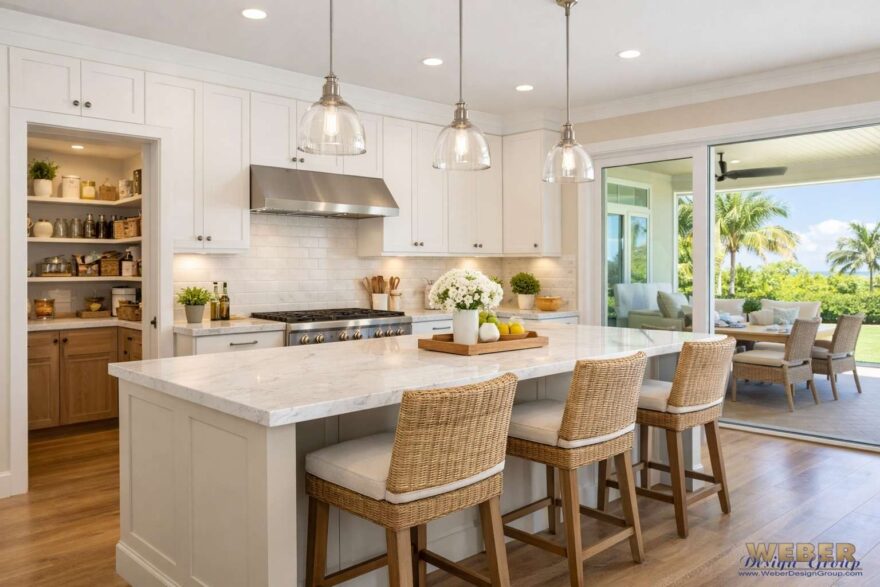
A house may look beautiful on paper, but how it lives determines long-term satisfaction. House plans that make life easier are designed around real, everyday routines—morning rushes, quiet evenings, weekend gatherings, and everything in between.
Designing for daily life means thinking beyond individual rooms and focusing on how people move, store, gather, and rest. Here’s how to design a home that truly works day after day.
Start With Your Daily Flow in House Plans That Make Life Easier
Before focusing on finishes or square footage, think about how a typical weekday unfolds. Ask yourself:
▪️Where do you enter the house most often?
▪️Where do shoes, bags, and groceries land?
▪️Which spaces see the most foot traffic?
A functional home minimizes backtracking and congestion. Kitchens should sit close to garages or main entry points. Mudrooms or drop zones prevent clutter from spreading. Hallways should guide movement naturally instead of interrupting it.
Design tip: Trace a mental path from morning wake-up to leaving the house. If it feels awkward on paper, it will feel worse in real life.
Kitchens Should Support Real Use, Not Just Looks
The kitchen is often the hardest-working room in the house. Yet many designs prioritize appearance over usability. Strong kitchen layouts consider:
▪️Clear walking paths around islands
▪️Pantry access without crossing work zones
▪️Seating that doesn’t block cooking areas
Island seating works best when it supports daily use instead of disrupting it. Oversized islands can create congestion rather than convenience.
Design tip: Prioritize work zones first. Add seating only where it won’t interfere with everyday movement.
Storage Is a Lifestyle Feature
Insufficient storage forces clutter into living spaces. Well-designed house plans build storage into daily routines. Look for:
▪️Walk-in pantries near kitchens
▪️Linen closets near bedrooms and bathrooms
▪️Garage storage for tools and seasonal items
Storage doesn’t need to be excessive. It needs to be intentional and easy to access.
Design tip: If something is used daily, store it within a few steps of where it’s used.
Bedrooms Need Separation and Privacy
Bedrooms work best when they feel calm and protected from household noise. Layouts that separate sleeping areas from active living spaces improve comfort and rest. Primary suites benefit from:
▪️Buffer hallways or transitional space
▪️Bathrooms and closets positioned away from shared walls
▪️Optional outdoor access for added retreat-like comfort
Design tip: Privacy often matters more than size when it comes to bedroom comfort.
Design for Change, Not Just Today
Homes that live well adapt as life changes. A room that serves one purpose today may need to evolve tomorrow. Flexible spaces include:
▪️Studies that convert to guest rooms
▪️Bonus rooms that support work, fitness, or hobbies
▪️Main-level rooms that allow aging in place
Design tip: Rooms with closets, windows, and simple layouts adapt more easily over time.
Outdoor Spaces Should Be Easy to Use
Outdoor living areas only become part of daily life when they’re convenient. The most usable outdoor spaces:
▪️Connect directly to main living areas
▪️Offer shade and weather protection
▪️Feel like a natural extension of the interior
When outdoor areas require long walks or awkward access, they’re used less often.
Design tip: Convenience matters more than size for outdoor living success.
Final Thoughts: Design for Real Life
House plans that make life easier support daily routines instead of working against them. Thoughtful layouts, smart storage, and flexible spaces help homes feel comfortable every day.
When evaluating house plans, imagine busy mornings, quiet evenings, and lived-in weekends. That’s where great design proves its value.