How to Compare House Plans Without Feeling Overwhelmed
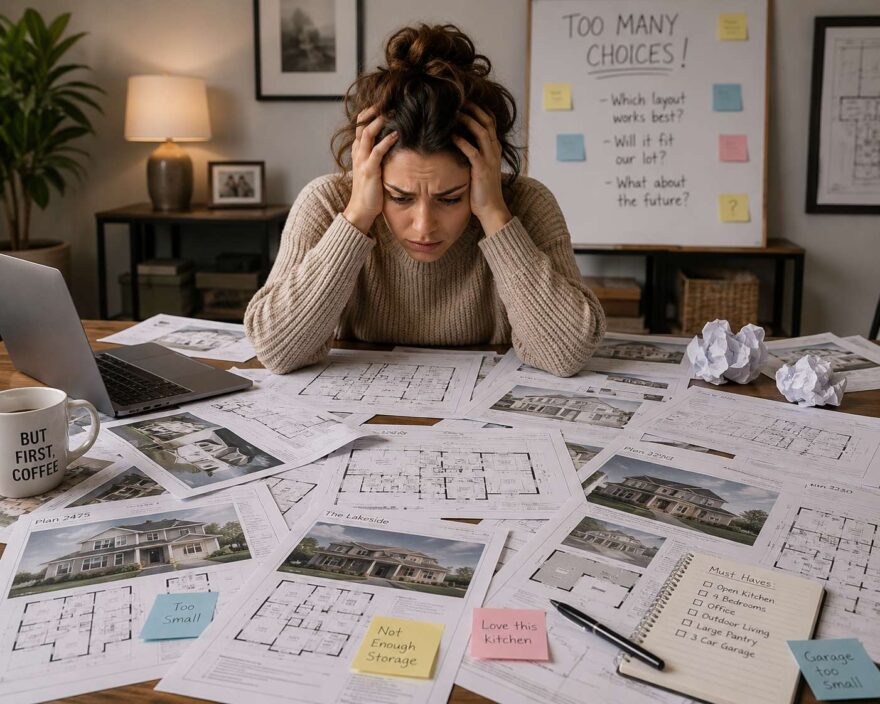
Searching through hundreds of house plans can quickly become exhausting. At first, everything starts to look the same. One plan has a better kitchen. Another has a larger garage. Then suddenly you have 15 tabs open and no clear direction.
The good news is this: choosing the right house plan becomes much easier when you compare plans the right way.
Instead of focusing on every detail at once, narrow your attention to the features that truly affect your daily life.
Start With Your Lot First
Before comparing layouts, understand your property.
Lot width, depth, setbacks, and view opportunities all impact which house plans will actually work. A plan that looks perfect online may not fit your lot correctly.
Waterfront and narrow lots need extra attention. Corner lots and sloped lots also change your options significantly.
Once you know your lot limitations, you can immediately eliminate plans that are not realistic.
That alone reduces stress.
Focus on Lifestyle Over Square Footage
Many buyers start by comparing square footage numbers. However, layout matters far more than size.
A smaller plan with an efficient layout may feel larger than a bigger home with wasted space.
Ask yourself questions like:
• Do you entertain often?
• Do you need privacy between bedrooms?
• Do you work from home?
• Do you want indoor and outdoor spaces connected?
• Will guests stay overnight regularly?
The answers help narrow your priorities quickly.
Compare Only 3 to 5 Plans at a Time
This is one of the biggest mistakes buyers make.
Comparing too many house plans at once creates decision fatigue. After a while, important details blur together.
Instead, save your top favorites and compare a small group side by side.
Look at:
• Kitchen layouts
• Bedroom placement
• Outdoor living areas
• Storage space
• Garage size
• Traffic flow
You will notice strengths and weaknesses much faster.
Pay Attention to Daily Functionality
Beautiful renderings can distract buyers from how a home actually lives.
Focus on the small details that affect everyday routines. For example:
• Is the laundry room convenient?
• Can groceries move easily from the garage to the kitchen?
• Are bathrooms accessible from outdoor areas?
• Is there enough storage near entry points?
• Does the primary suite feel private?
These details matter long after the excitement of the exterior design fades.
Think About the Future
The best house plans work for both your current needs and future lifestyle.
Consider how your needs may change over time.
A bonus room, flex space, or private guest suite can add long-term versatility. Multi-generational living is also becoming more common, especially in larger homes.
Future flexibility helps protect your investment.
Stop Searching for “Perfect”
No house plan is perfect in every category.
Many buyers become overwhelmed because they keep searching for one plan that checks every single box. Usually, the better approach is finding the plan that supports your lifestyle best overall.
Prioritize the features you cannot easily change later.
Room dimensions, ceiling heights, window placement, and structural layout matter more than cosmetic finishes.
Create a Simple Comparison System
Keep the process organized.
Create a short checklist with your top priorities and score each plan honestly.
Focus on:
• Lot compatibility
• Layout functionality
• Outdoor living
• Privacy
• Storage
• Future flexibility
• Overall flow
A simple system removes emotion and makes decisions easier.
Final Thoughts
Choosing a house plan should feel exciting, not stressful.
The key is narrowing your focus and comparing plans strategically instead of emotionally. Once you identify what truly matters for your lifestyle, the right plan becomes much easier to recognize.
Take your time. Compare carefully. Trust functionality over hype.
The best house plan is the one that works beautifully for the way you actually live.