What Makes a Stock House Plan Well Designed?
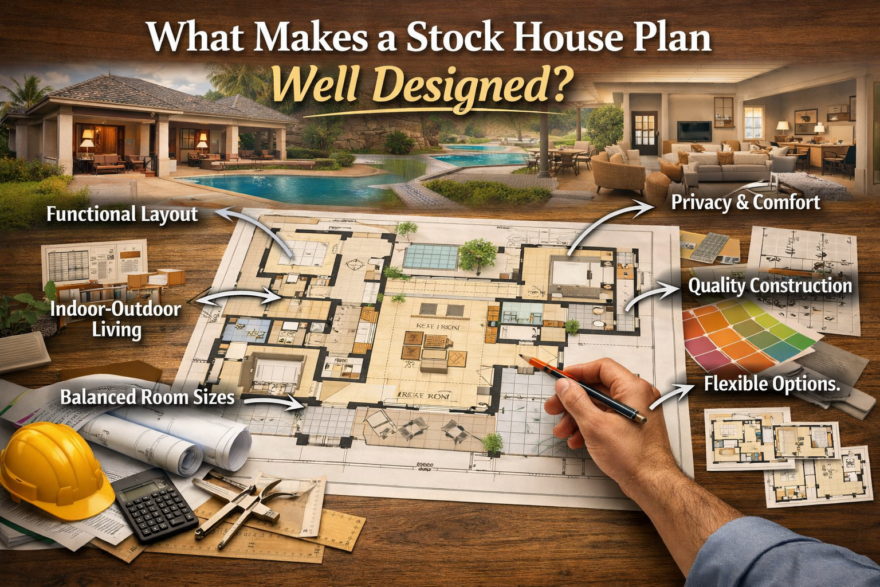
Not all stock house plans deliver the same value. Some are thoughtfully engineered. Others simply look good on screen.
At Weber Design Group, we believe a well-designed stock house plan should do more than meet square-footage goals. It should support daily life, build efficiently, and adapt over time.
Here’s what knowledgeable homeowners should look for when evaluating a stock house plan.
1. Function Comes Before Features
Good design always starts with function. A well-designed stock house plan creates:
▪️Clear circulation paths
▪️Logical room relationships
▪️Minimal wasted space
Living areas connect naturally. Bedrooms remain private. Bathrooms stay convenient without interrupting flow. If the layout feels intuitive, it’s because the design works.
2. Livability Matters More Than Size
More square footage does not guarantee better design. Strong stock house plans focus on:
▪️How rooms function daily
▪️Where storage is actually needed
▪️Flexible spaces that evolve over time
Well-planned homes feel comfortable, not oversized or inefficient.
3. Balanced Room Proportions
Room proportions impact comfort more than most buyers realize. A well-designed stock house plan avoids:
▪️Oversized rooms that feel empty
▪️Undersized rooms that restrict furniture placement
Instead, each space feels intentional, usable, and easy to live in.
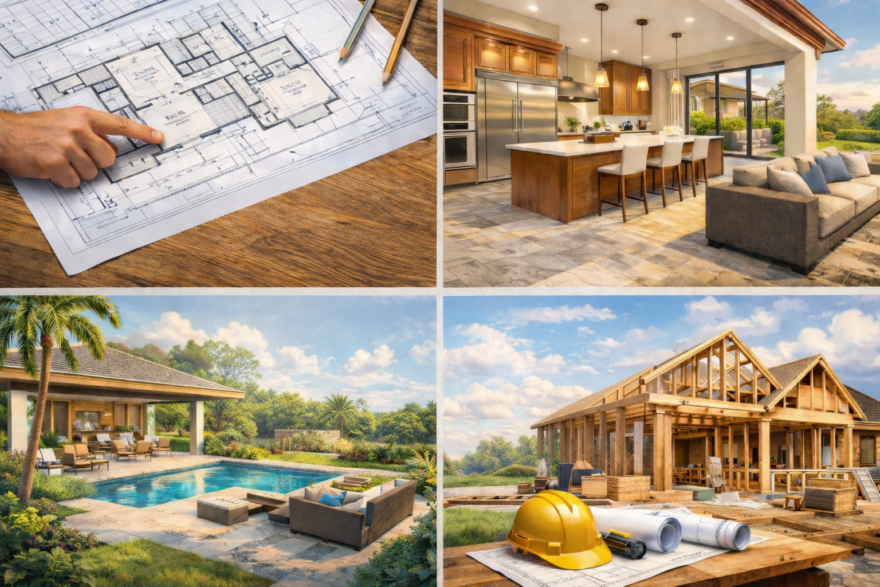
4. Smart Indoor-Outdoor Connection
Modern living demands strong outdoor integration. Quality stock house plans often include:
▪️Covered lanais or patios
▪️Direct access from main living areas
▪️Outdoor spaces designed for daily use
This connection expands livable space without increasing square footage.
5. Privacy Is Designed In
Privacy should never be an afterthought. Well-designed house plans account for:
▪️Bedroom separation
▪️Quiet zones away from gathering areas
▪️Guest privacy without isolation
These decisions improve everyday comfort for years to come.
6. Construction Logic Is Built Into the Plan
A stock house plan must build as well as it looks. Professional designs consider:
▪️Structural efficiency
▪️Logical rooflines
▪️Stacked plumbing where possible
This approach helps control construction costs and reduces job-site changes.
7. Consistent Architecture Inside and Out
Strong house plans feel cohesive. Exterior elevations align with interior layouts. Window placement supports room function. Architectural details stay consistent throughout the home. Design consistency signals experience, not coincidence.
8. Flexibility Without Sacrificing Design Integrity
One major benefit of a stock house plan is adaptability. Well-designed plans allow:
▪️Easy room adjustments
▪️Optional features without full redesign
▪️Customization without compromising flow
Flexibility should enhance the plan, not weaken it.
9. Clear, Builder-Ready Documentation
Good design also means clear communication. Professional stock house plans include:
▪️Readable drawings
▪️Accurate dimensions
▪️Logical labeling
Clear plans reduce construction delays and pricing surprises.
10. Proven Designs Refined Over Time
Experience matters in residential design. The best stock house plans are:
▪️Designed by professionals
▪️Refined through repeated builds
▪️Improved based on real-world feedback
This refinement delivers better results for homeowners and builders alike.
Why a Well-Designed Stock House Plan Is a Smart Choice
A thoughtfully designed stock house plan is not a shortcut. It is a proven solution. When selected carefully, a stock plan offers:
▪️Strong design value
▪️Faster build timelines
▪️Easier customization
▪️Predictable construction outcomes
When selecting from today’s wide range of house plans, layout and flexibility matter. At Weber Design Group, our house plans reflect decades of experience, refined layouts, and real-world livability.
Frequently Asked Questions About Well Designed Stock House Plans
A well-designed stock house plan prioritizes function, livability, and construction logic. It features smart room relationships, efficient circulation, and realistic building details.
In most cases, yes. Stock house plans reduce design time, limit revisions, and streamline construction, which often lowers overall project costs.
Professionally designed stock house plans are refined through experience and real-world builds. This leads to better flow, fewer construction issues, and long-term livability.