Planning for How You’ll Live — Not Just How You’ll Build
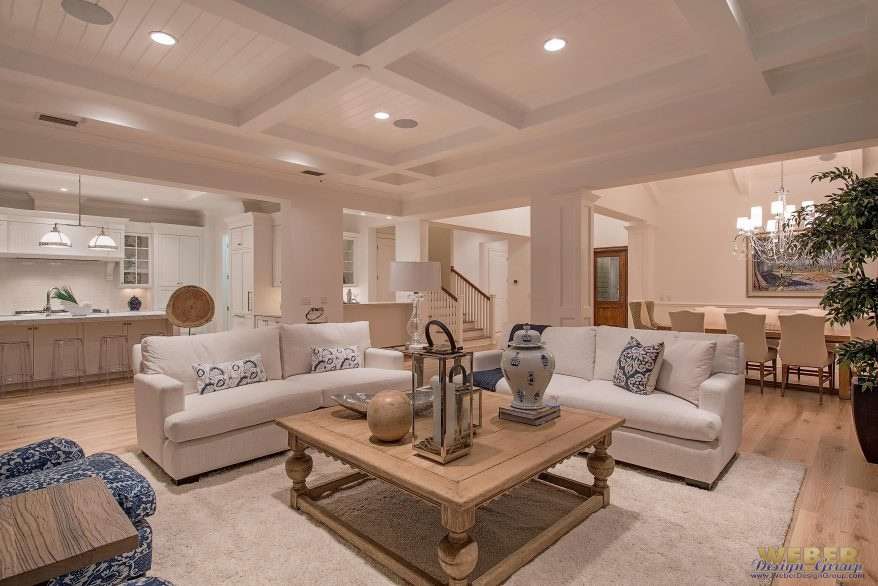
When people start thinking about building a home, it’s easy to focus on construction details. Square footage. Materials. Finishes. Timelines. However, the most successful homes begin with something far more important: how daily life will unfold inside the space.
Great house plans are not just drawings. They are frameworks for everyday living. When a home plan is designed around real routines, it feels comfortable, functional, and adaptable for years to come.
Start With Daily Routines
Before choosing finishes or elevations, think about how your days begin and end. Morning routines often set the tone for how a home functions. Consider where bedrooms are located, how traffic flows to the kitchen, and how easily people move through shared spaces.
Well-designed home plans reduce congestion. They allow multiple activities to happen at once. As a result, daily life feels smoother and less rushed.
Design for the Way You Gather
Every household gathers differently. Some families spend most of their time in the kitchen. Others gravitate toward the great room or outdoor living areas. The best house plans recognize these patterns and place gathering spaces where they make the most sense.
Open layouts often support connection. However, defined zones can still feel open when designed thoughtfully. The key is balance. A home should encourage togetherness while still offering quiet spaces when needed.
Think Beyond Today
Life rarely stays the same. Families grow. Work habits change. Guests visit more often. Because of this, flexible spaces matter more than ever.
Rooms that can evolve over time add long-term value. A study can become a guest room. A bonus room can support hobbies, work, or relaxation. The most successful home plans allow spaces to shift without major changes to the structure.
Plan for Storage and Organization
Comfort comes from organization. Storage is often overlooked during the planning phase, yet it has a major impact on how a home feels day to day.
Thoughtful house plans include storage where it’s needed most. Pantries near kitchens. Closets near entries. Utility spaces that support daily tasks. When storage is planned well, homes feel calmer and more livable.
Consider How the Home Connects to the Outdoors
Many homeowners want a strong connection between indoor and outdoor living. Covered outdoor spaces, natural light, and visual connections to the outdoors all influence how a home feels.
When indoor and outdoor spaces work together, living areas feel larger. They also support relaxation, gathering, and year-round enjoyment. This connection should feel natural, not forced.
Build for Comfort, Not Trends
Trends change quickly. However, comfort, flow, and livability never go out of style. Homes designed around real life continue to perform well long after design trends fade.
By focusing on how you live instead of how you build, you create a foundation for long-term satisfaction. The right house plan supports everyday routines, adapts over time, and feels like home from the very beginning.
Explore our full collection of thoughtfully designed home plans to find a layout that fits your lifestyle, routines, and the way you want to live every day.