Smart Layout Decisions: The Most Important Floor Plan Choices Homeowners Make
When people think about house plans, they often focus on square footage or style. However, the most successful homes are shaped by layout decisions that affect everyday life. These choices influence comfort, privacy, efficiency, and how well a home adapts over time.
Smart layout decisions are not about trends. They are about how people move through spaces, where life actually happens, and how routines unfold day after day. Below are the most important floor plan decisions homeowners make — and why each one matters.
1. How the Main Living Spaces Connect
One of the biggest layout decisions involves the relationship between the kitchen, dining area, and great room.
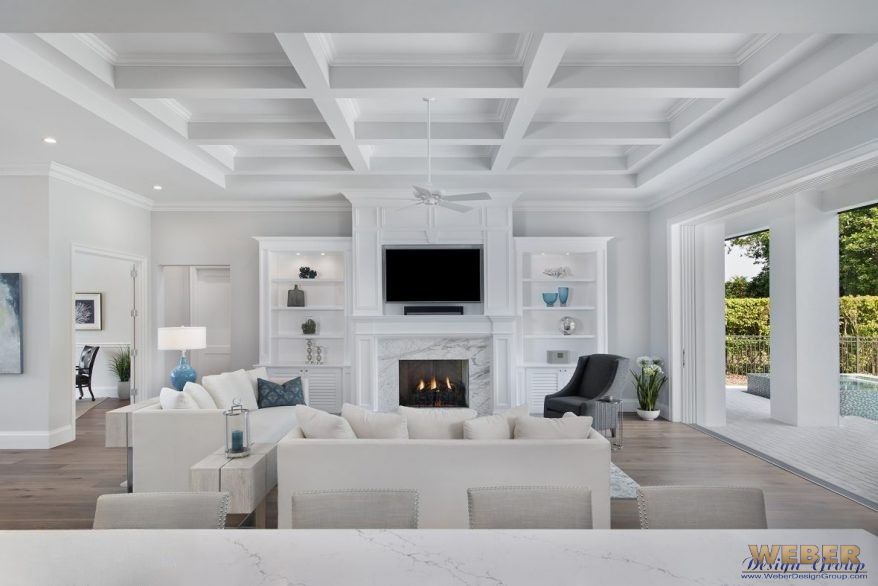
Open connections support visibility, communication, and ease of movement. This matters for families, entertaining, and daily routines. However, “open” does not mean undefined. The best layouts still create subtle separation through ceiling changes, furniture placement, or sightlines.
If this connection is poorly planned, homeowners often feel exposed, distracted, or overwhelmed by noise. When it’s done well, the home feels intuitive and comfortable.
2. Kitchen Placement and Workflow
Kitchen size gets a lot of attention, and its placement often gets overlooked.
A well-placed kitchen connects easily to dining, outdoor living, and everyday paths through the home. Traffic should move around the kitchen, not through the main work zone. Islands should support prep, seating, and circulation without becoming obstacles.
Poor kitchen flow leads to congestion and frustration. Smart layouts support multiple users at once and reduce unnecessary steps throughout the day.
3. Bedroom Separation and Privacy
Bedroom placement plays a major role in how restful a home feels.
Primary suites benefit from separation from secondary bedrooms, especially in homes with children or frequent guests. This separation improves privacy, reduces noise, and allows different schedules to coexist comfortably.
When bedrooms are clustered without thought, homeowners often struggle with sound transfer and lack of retreat. Thoughtful zoning solves these problems before construction even begins.
4. Entry Experience and Daily Drop Zones
How you enter a home matters more than most people expect.
Front entries should feel welcoming and intentional. Secondary entries, such as garage access, need practical features like storage, benches, or nearby utility spaces. These areas handle backpacks, shoes, groceries, and daily clutter.
Without proper planning, clutter migrates into living spaces. With smart layout decisions, organization becomes effortless instead of forced.
5. Flexible Rooms vs. Single-Purpose Spaces
One of the most important long-term decisions is whether rooms can adapt.
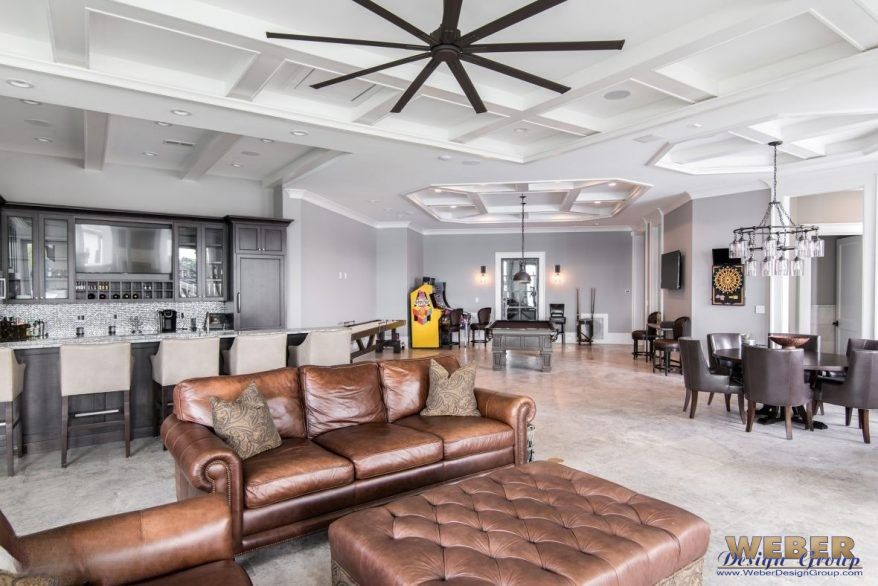
A flex room, study, or bonus space can serve many roles over time. Home office. Guest room. Hobby space. Quiet retreat. The best layouts allow these shifts without major changes.
Single-purpose rooms often become underused as life changes. Flexible spaces help homes remain functional and relevant for years.
6. Storage Placement, Not Just Quantity
Storage is not just about square footage. It’s about location.
Pantries should be near kitchens. Linen storage should be near bedrooms. Cleaning supplies should be accessible, not hidden across the house. When storage aligns with use, daily life becomes easier.
Homes with poorly placed storage feel cluttered even when they technically have enough space. Smart layouts solve this problem early.
7. Connection to Outdoor Living
Outdoor living works best when it feels intentional.
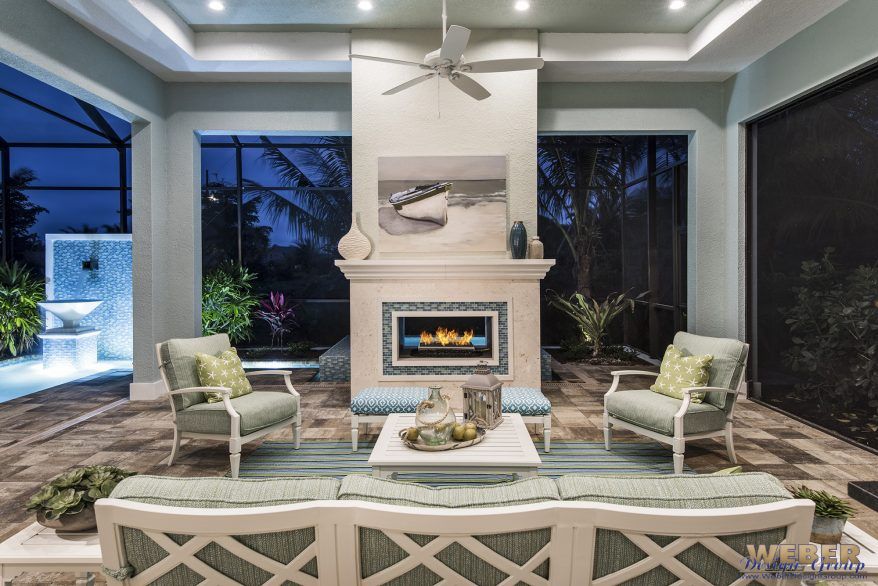
Covered outdoor spaces should connect naturally to indoor living areas. Visual connections matter just as much as physical access. Fireplaces, shade, and protection from the elements extend usability across seasons.
When outdoor spaces are added without considering layout, they feel disconnected. When planned as part of the home, they become true living areas.
8. Circulation and Sightlines
How people move through a home affects comfort more than size.
Long hallways, dead ends, or awkward turns create wasted space. Clear circulation paths reduce confusion and make homes feel larger and calmer.
Strong sightlines also improve safety, supervision, and connection. You should understand a home intuitively as you move through it.
Why These Decisions Matter More Than Ever
Styles change. Life changes. Good layouts continue to work.
Smart floor plan decisions support routines, relationships, and long-term comfort. They reduce friction, improve flexibility, and help homes adapt without major renovations.
When homeowners focus on layout first, everything else falls into place more naturally.
Final Thought
A house plan is not just a drawing. It’s a framework for daily life.
By prioritizing smart layout decisions early, homeowners create homes that feel better to live in — not just on move-in day, but for years to come.
Explore our full collection of thoughtfully designed home plans to find a layout that supports your lifestyle, routines, and long-term needs.